
Geothermal Energy
Geothermal energy is thermal energy stored beneath the earth’s surface. It is clean, renewable, and popular because it can be harnessed from almost anywhere in the world to produce heat and electricity.
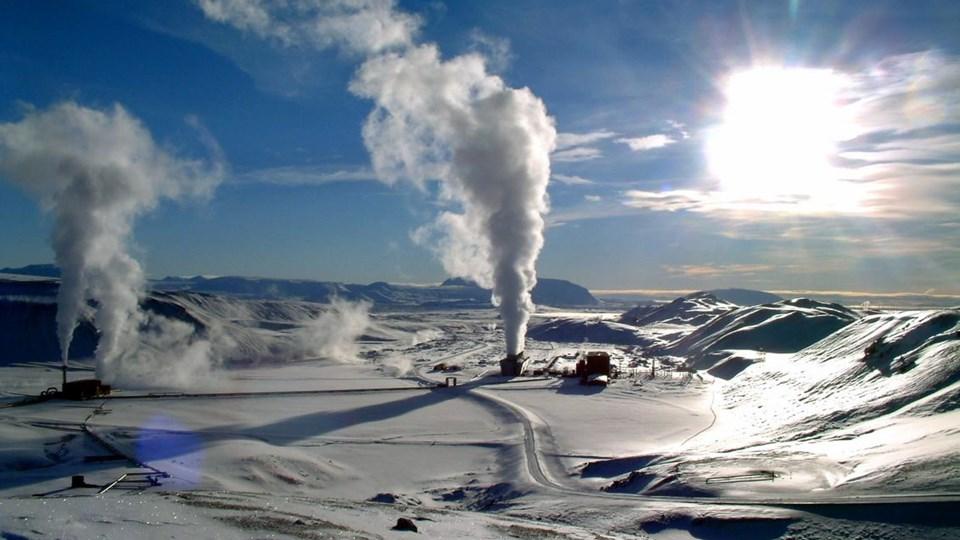
Geothermal energy is the energy that exists in the Earth’s crust. While ground temperature near the earth’s surface is impacted by climate and weather, past a certain point, temperatures in the Earth’s crust are seasonally stable. Generally, ground temperature increases with depth due to heat flow from the Earth’s mantle and core. This yields a consistent, predictable, renewable energy source that can be used for heating and electricity generation.
How to Use Geothermal Energy
Geothermal energy is used in three main ways: direct use, power generation, and ground source heating and cooling. Ground source heating and cooling is accomplished by heat pumps, which you can read about on our Heat Pumps resource page.
Direct Use
Direct use occurs when geothermal energy is used in the form it is found in, often through geothermal reservoirs. A geothermal reservoir is a naturally found body of heated water. In the past, hot springs were directly used for bathing and cleaning purposes. Today, this hot water is extracted by a well and then delivered through piping to its end use. Geothermal hot water has a variety of direct uses, ranging from building and space heating to melting ice on roads and sidewalks to industrial applications.
Power Generation
Aside from being used directly, geothermal energy can be used to produce electricity. Geothermal power plants use high temperature geothermal water or steam, which is then used to drive electricity producing turbines. Geothermal power plants are largely restricted to areas with high rock permeability and fluids present, with majority of the plants in the US being in the Southwest.
There are three types of geothermal power plants:
- Dry Steam Power Plants are the oldest and simplest geothermal plant design. Steam from underground is used to operate the turbine, which produces power. The steam is then cooled, condensed, and pumped back underground into the geothermal reservoir.
- Flash Steam Power Plants are a more sophisticated steam power plant design. Highly pressurized water in excess of 360°F is pumped from the earth’s crust, and the pressure is then reduced, causing the water to immediately turn to steam, driving the turbine. The steam is then cooled, condensed, and pumped back underground.
- Binary Power Plants use a different approach, utilizing two separate circulating fluids. The first is ground source geothermal fluids, which are drawn up and passed through a heat exchanger before being returned to the reservoir. On the other side of the heat exchanger is a secondary or binary fluid that has a low boiling point. This fluid gets heated by the geothermal source, vaporizes, and is then used to spin turbines. Binary plants can operate with lower temperature ground sources and allow for a larger geographical range of geothermal power.
A newer type of technology, called an Enhanced Geothermal System (EGS) enables power generation in areas that do not have existing geothermal resources and the necessary rock permeability. In EGS, underground heat sources are injected with high pressure water to improve rock permeability. This water picks up heat and is then forced to the surface and used to generate electricity.
EGS technologies dramatically expand the deployment possibilities of geothermal power generation, which in the past have been limited to areas with high rock permeability and water or steam reservoirs.
Advantages of Geothermal Energy
Renewable Energy
Geothermal energy is a naturally renewable resource, continually replenished by heat from the Earth’s interior. Production of electricity from geothermal sources emits very few, or in some cases, zero greenhouse gas emissions.
Reliable Production
Geothermal energy is not affected by weather, and remains a stable, reliable energy source around the clock.
Low Operating Costs
Geothermal power plants have low operating costs and have reached cost parity with other forms of renewable energy.
Low Maintenance
Geothermal pumps are virtually maintenance-free. When properly installed, maintenance costs are usually reduced, and operation is similar to conventional systems. Also, since a geothermal heat pump system is conveniently located in one’s home, the unit can be accessed at any time.
Things to Consider
Availability
Geothermal power generation and direct use is restricted to areas that have geothermal reservoirs, most commonly areas with seismic activity near tectonic fault lines.
High Upfront Costs
Geothermal energy requires underground drilling, which contributes to higher upfront investment costs.
Risk of Resource Depletion
While geothermal energy is a renewable resource, geothermal reservoirs can be depleted over time if steam or water is removed and not replaced. Careful monitoring of reservoirs and replenishment of fluids can ensure long-term resource viability.
Environmental Concerns
Some geothermal plants can use a significant amount of water for cooling and for reservoir replenishment. Additionally, geothermal fluid can contain dissolved solids, including heavy metals. While in many cases, geothermal fluid is reinjected into the ground, it can be released into the atmosphere or environmental through venting or leaks. Attentive monitoring and operations can prevent the release of geothermal fluid. Newer EGS technologies have a higher risk of causing earthquakes. Site selection and seismic monitoring can help mitigate the risk of seismic activity.