
Wind Power
Wind power is the conversion of wind energy into alternate forms of energy, including wind turbines to produce electrical wind power and wind pumps for water pumping or drainage.
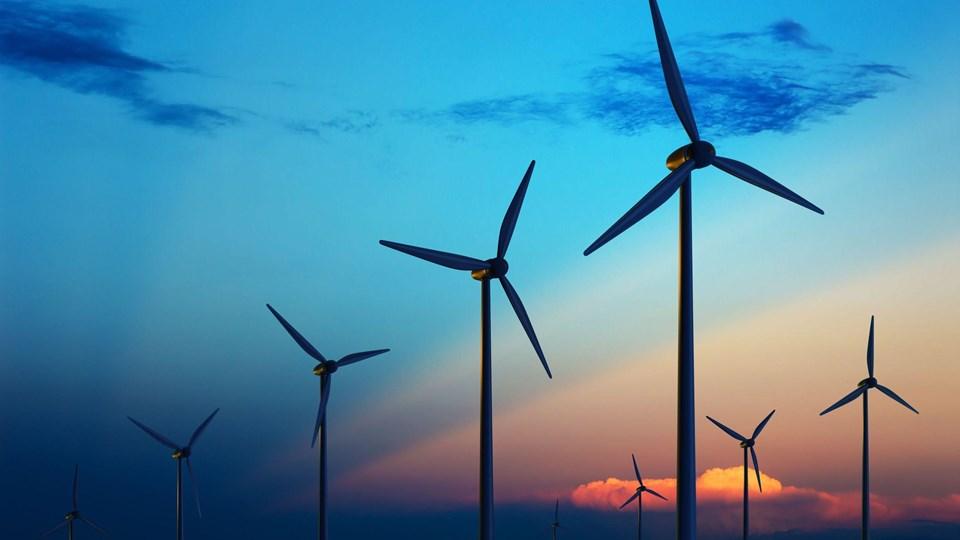
Windmills and windpumps were one of the earliest sources for mechanical power. Today, windpumps are almost exclusively found in rural areas, and traditionally designed windmills are rare.
Electricity-generating wind turbines, however, have existed in dispersed installations since the early 1900s. Development of wind turbine designs and wind farms sped up in the latter half of the 20th century, partly due to the oil crisis of 1973, and led to the utility-scale wind farms commonly seen today.
Wind power has been the leading source of renewable energy in the United States since 2019, following a rapid rise in deployment throughout the 2010s. While many wind farms are clustered in the Great Plains and Midwest regions of the US, projects are dispersed across the West Coast and New England as well.
How Wind Turbines Work
Wind turbines are devices that convert wind energy into mechanical energy, which can then be used to produce electricity. There are two main types of wind turbines: horizontal axis turbines and vertical axis turbines.
Horizontal Axis Wind Turbines
Horizontal axis wind turbines are the most common and are generally seen in wind farms. There are three main parts: the tower, the hub and the nacelle. The nacelle, the large compartment that contains the electrical components, sits on top of the tower. Attached to the front of the nacelle is the hub, the cap that connects the rotor blades to the inner workings of the nacelle. Traditionally, a low-speed shaft connects the hub to a gearbox, which then drives the generator. Newer direct-drive systems eliminate the gearbox and couple the shaft directly to a special generator, which allows electricity to be generated at low speeds through powerful magnets. Although these systems are much heavier and can use rare earth metals, they require less maintenance and are more efficient in lower windspeeds.
Wind turbines have grown in height and size since their inception. This is primarily due to the fact that wind speed increases with altitude, and longer blades are able to capture more wind energy. These factors have helped wind turbines increase their efficiency and rated capacity.
Offshore wind turbines, which accounted for 7% of the global installed wind capacity in 2025, are larger in size than land-based turbines. These larger turbines take advantage of stronger, more consistent coastal winds. They can be placed either on fixed bottom foundations that anchor to the seabed, or with floating foundations that are more suitable for deep waters.
Because wind power increases with the cube of wind speed, even small gains in wind speed can substantially increase electricity generation. Careful thought goes into the arrangement of wind turbines to optimize their potential; each wind turbine influences the downstream air flow, which can affect other nearby turbines. Complex modeling is often used to determine the best layouts for wind farms, balancing efficiency and density of turbines.
Vertical Axis Wind Turbines
Vertical axis wind turbines are less common, though they often are used in more compact urban environments. They look very different, as the rotors are oriented around a vertical drive shaft. Instead of a suspended nacelle, all the electric components are located at the base of the turbine.
There are two broad designs of vertical axis turbines: Darrieus and Savonius, named after their original inventors. Darrieus turbines use airfoil blades to generate aerodynamic lift, which causes the turbine to turn. Variations of Darrieus turbines can use straight, curved, or helical blades. Savonius turbines are simpler, using several scoops instead of blades, which use drag to rotate the turbine.
Vertical axis wind turbines are much easier to integrate into the built environment. Additionally, with the electrical components sitting at the foot of the turbine, maintenance is significantly easier to perform compared to horizontal axis turbines. Like horizontal turbines, vertical axis turbines also can use either direct drive generators or traditional gearboxes.
Each type has advantages and disadvantages. Broadly, Darrieus turbines are more efficient than Savonius turbines, but can require more maintenance. Additionally, Darrieus turbines generally are not able to self-start, meaning they need a small motor to begin turning. Savonius turbines operate at lower efficiencies but are convenient due to their simplicity and compact shape. They are better suited for low windspeed environments and are often deployed in urban environments.
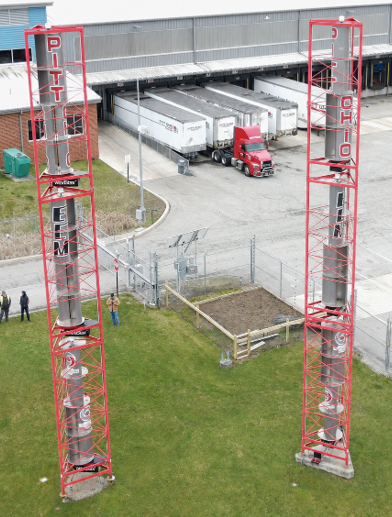
60’ Savonius wind turbines manufactured by WindStax® and installed at Pitt Ohio Trucking in Cheswick, Pa.
Advantages
Clean Energy
Wind turbines do not emit greenhouses gases when operating.
Unlimited Resource
Although wind energy varies by location, it is a renewable, limitless resource.
Location Options
The U.S. holds significant wind power potential, allowing wind turbines to be placed in various areas throughout the nation.
Low Costs
The costs of wind power have been decreasing consistently since 2015, with onshore wind farms being the least expensive renewable energy since 2020 in terms of levelized costs.
Things to Consider
Intermittency & Inconsistency
Since wind is unpredictable, it does not always supply consistent energy. According to the Berkeley National Laboratory, the average capacity factor for onshore wind projects is 34%, which represents how often a wind turbine produces its maximum rated output.
Noise
Wind turbines produce noise in the 35-45dB range, when heard from 300 meters (~1,000 ft) away. This is the closest that large wind turbines are typically placed near the built environment, putting them at a quieter level than a normal refrigerator. Location and siting choices, combined with new technologies are reducing the audible impact of wind turbines.
Wildlife Effects
Wind turbines can be hazardous to wildlife and their habitats, specifically birds and bats. Estimates of birds killed by wind turbines and related infrastructure vary, but typically fall in the 200,000 – 300,000 birds per year in the U.S. This is lower than the annual number of birds estimated to be killed by fossil fuel production (750,000) and collisions with buildings (600,000,000). New solutions and approaches are being developed to reduce potential harm to birds and bats, including rotor speed adjustments and blade painting.
New Infrastructure
The highest wind speeds are available across remote areas in the United States. This is creating market demand for support systems for potential projects, including transmission lines that can stretch long distances.
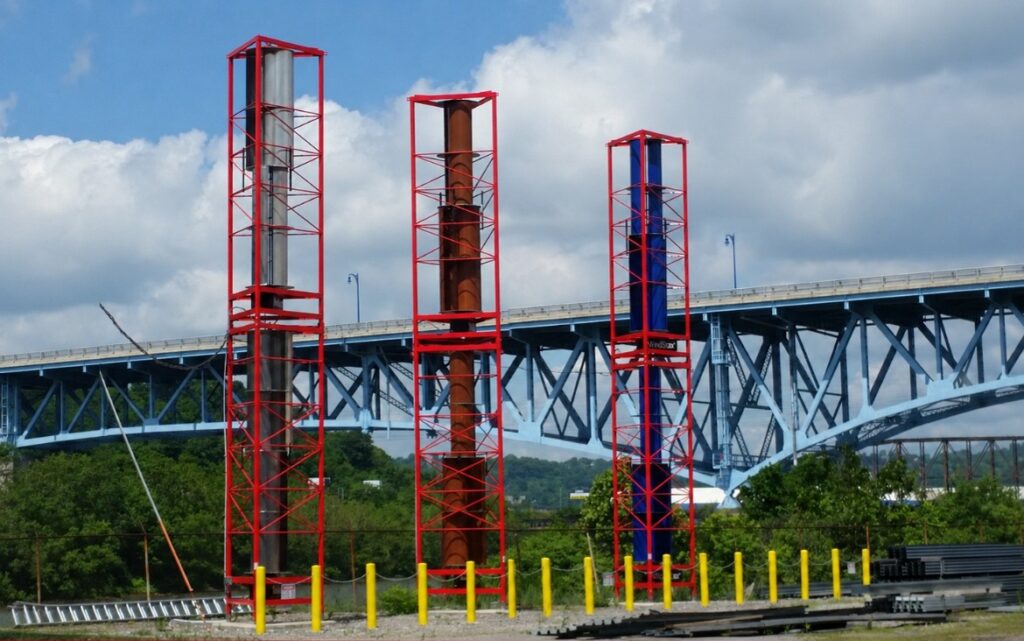
EPIC Metals: At their manufacturing facility near the Monongahela River, EPIC Metals has installed three 40-foot-tall vertical axis WindStax® turbines.
Resources
Organizations
Renewable Energy Wildlife Institute
WindStax – A Pittsburgh based vertical axis wind turbine manufacturer