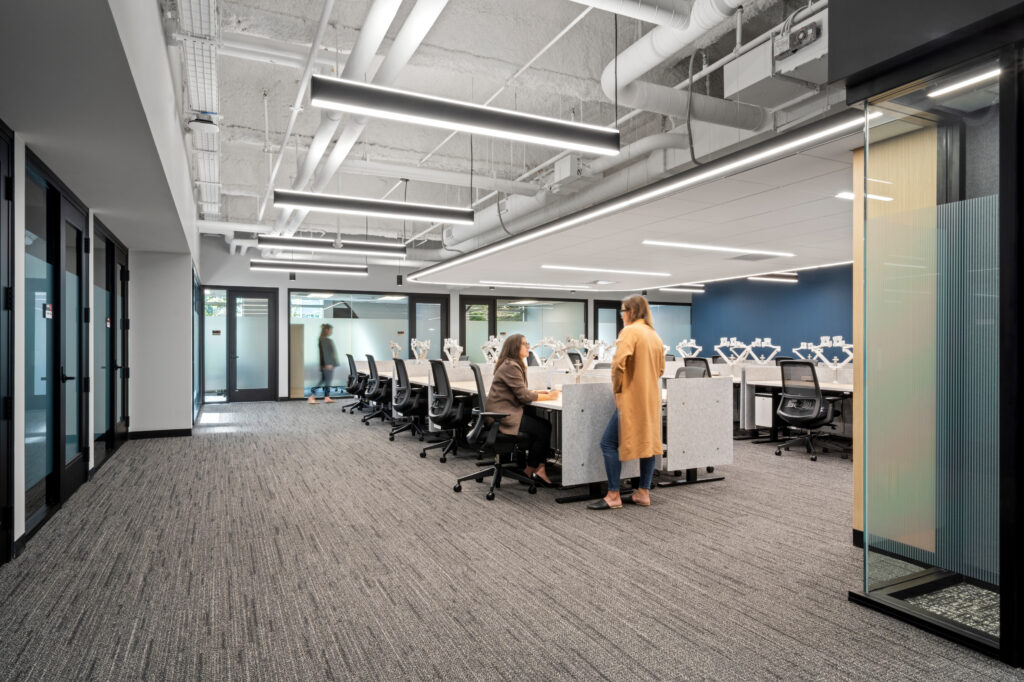
Carnegie Mellon University Robotics Institute at Newell-Simon Hall

Project Type
Renovation and Addition
Value
$5.8 Million
Role
General Contractor
Architect
NEXT architecture
The construction industry is undergoing a transformation. Owners, contractors, and architects are embracing sustainability as a core value — not just a project add-on. One of the greatest opportunities to reduce environmental impact lies in the earliest stages of a project and before the shovel hits the dirt.
Phase Zero Deconstruction is a proactive strategy that takes place before traditional demolition begins. The goal is simple: maximize salvage and waste diversion and minimize landfill dependency. At Volpatt Construction, this philosophy is captured in the motto “dumpster last.”
When tasked with renovating the Carnegie Mellon University Robotics Institute at Newell-Simon Hall, Volpatt Construction deployed a partial Phase Zero Deconstruction strategy. The team had 100% commitment and participation from NEXT architects, the design firm, and Michael Brothers Companies, the waste hauler. Michael Brothers, a leader in C&D recycling, was selected because of their unique ability to recycle gypsum and other material streams.
Deployment
To deploy Phase Zero Deconstruction, Volpatt Construction:
Analyzed the inventory of all content and materials pre-mobilization
Defined waste streams (e.g., gypsum, metal, furniture/fixtures, trash, and more) and created a waste diversion plan
Strategized dumpster needs and determined that three 30-yard dumpsters would be deployed on-site to streamline sorting
Partnered with reuse organizations (e.g., Construction Junction, Doors Unhinged, etc.) to capture salvageable items for reuse or resell
Provided monthly diversion reports to Carnegie Mellon University and LEED Online
Outcomes
By separating gypsum from the start, the project avoided contamination that would have jeopardized its diversion target. The result:
80% of project waste was successfully diverted from landfill, exceeding LEED’s 75% requirement.
“Phase Zero Deconstruction is not just about waste management; it’s about mindset and creativity. By committing to ‘dumpster last,’ project teams can transform demolition into a sustainability showcase and deconstruction exercise. The Robotics Institute renovation proves that with upfront planning, cross-team collaboration, and dedicated partnerships, projects can routinely exceed 75% diversion goals — setting a new standard for greener building.”
Michael Volpatt, Vice President of Volpatt Construction
Why Phase Zero Deconstruction Works
Efficiency
Sorting at the source makes downstream processing smoother and less costly.
Compliance
Strategies align with LEED, other sustainability frameworks, and green building practices.
Community Impact
Donations of furniture, fixtures, and equipment extended value beyond the job site.
More About the Carnegie Mellon University Newell-Simon Hall Robotics Institute Renovation
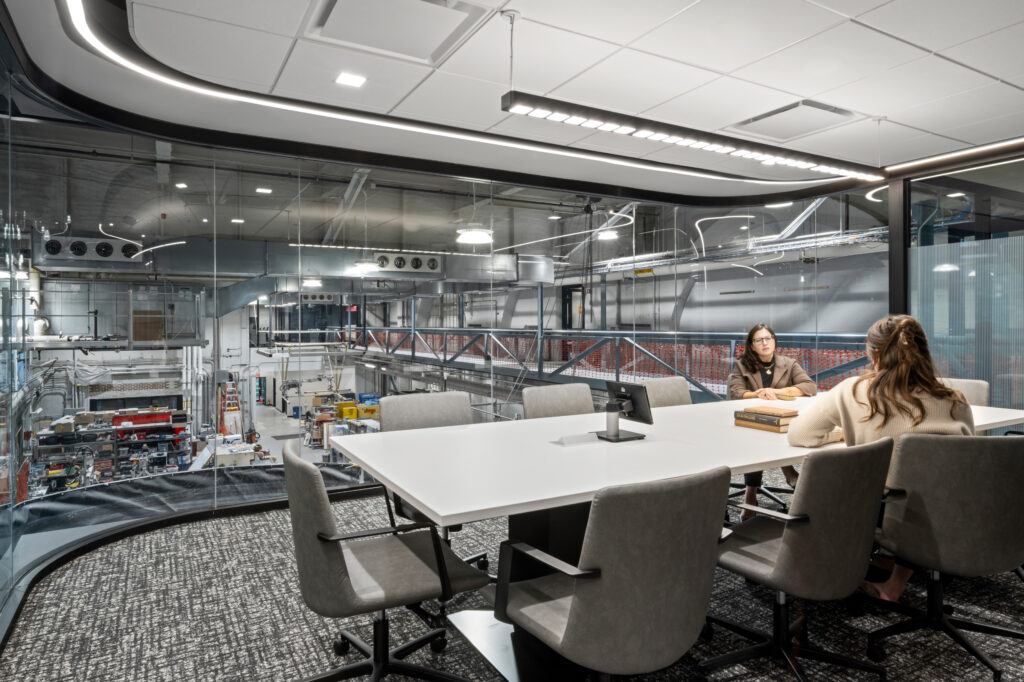
This project included a 25,000 square foot renovation of teaching labs and collaboration space and the addition of a cantilevered conference room that floats above the Robotics Institute high bay.
Originally built in 1934, the building presented the team with several challenges.
Demolition of the first floor revealed an uneven surface that required leveling the slab before finishing with Ardex. The mechanical aspect of this renovation and addition was extensive and required close coordination with CMU facilities throughout the life of the project. A mysterious reservoir was discovered behind the wall on the first floor. Multiple fixes were put in place only to have the team chasing water leaks new locations. Ultimately, we drilled holes into the wall to relieve pressure and allow the water to flow into a trough and then to a sump pump.
Despite the challenges, the result offers students and staff greater space efficiency for research and learning. It also further elevates CMU’s status as the world’s top destination for robotics.
Learn more at www.Volpatt.com